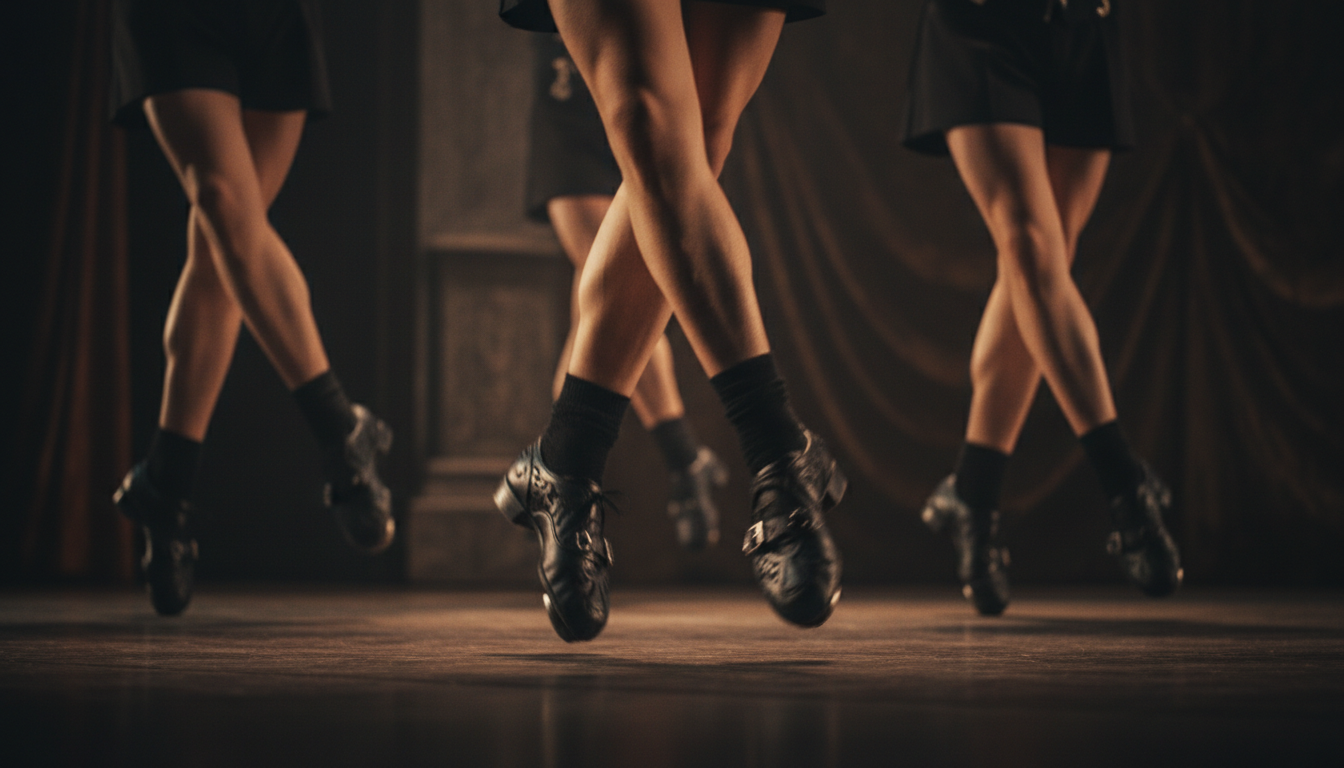
Set Dancing at the IAHC
Francis O'Neill
Club of Chicago
We dance, teach, and hand down the traditional folk dances of Ireland.
Welcome
A Living Tradition
The Francis O'Neill Club of Chicago is dedicated to the traditional folk dances of Ireland. We gather to dance, to teach, and to hand down the set dances, céilí dances, and step dances that have been passed from generation to generation — keeping the living tradition of Irish social dance thriving in the heart of Chicagoland.
Named in honor of Captain Francis O'Neill — Chief of the Chicago Police (1901–1905) and the primary preservationist of traditional Irish music — the Club carries forward the spirit of community and cultural preservation that O'Neill championed. Newcomers and experienced dancers alike are welcome; no partner or prior experience is required.
What We Do
Dance, teach, and hand down the traditional folk dances of Ireland
Where We Meet
Irish American Heritage Center · 4626 N. Knox Ave, Chicago
Contact
info.francisoneillclub@gmail.com
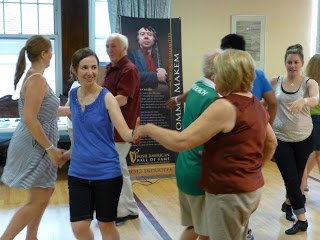
Curious?
What's a Céilí?
A céilí (pronounced KAY-lee) is the Irish word for a party or social gathering where you'll find good music, good food, and good craic (pronounced crak) — an Irish term for conversation, fun, and good times!
A céilí dance is a type of folk dance that originated hundreds of years ago in Ireland. You may have seen céilí dancing at Irish festivals in the U.S. Unlike Irish step dancing, also popular at festivals, céilí dancing requires no special costume or rigorous training. It's non-competitive and can be done by people of all ages. It's also good exercise and lots of fun!
The Francis O'Neill Club holds a céilí during the year — a social gathering where dancing and fun are the focus. We do mostly set dances, but also some céilí dances, at each céilí. Set dances are typically lengthier and more complex than céilí dances, but the basic steps and figures are similar.
Our Namesake
Captain Francis O'Neill
1848 – 1936
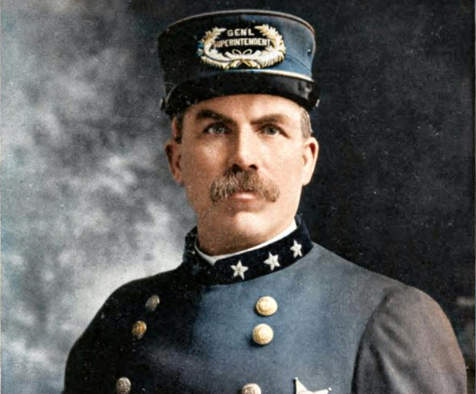
Captain Francis O'Neill · Gen'l Superintendent, Chicago Police · Public Domain
Captain Francis O'Neill gained admiration for being Chief of Police for Chicago and for his remarkable and invaluable contribution to traditional Irish music. As Richard Jones, music librarian at the University of Notre Dame, put it: "without him, the music would have died, or it would have gotten changed so much the original would never have been remembered."
Early Years
Daniel Francis O'Neill was born on the 28th of August 1848 at Tralibane in the parish of Caheragh near Bantry in West Cork, the youngest of seven children. Both his parents were keen musicians, and the O'Neill home was a centre for Irish music where singers, flute players, fiddlers, and pipers would meet and exchange tunes. At sixteen, Daniel ran away from home, spent years at sea — even surviving a shipwreck in the South Pacific — before joining the Chicago Police Force in 1873.
Chicago Police Force
In his first month of service, O'Neill was shot and seriously wounded by a notorious criminal; a bullet lodged dangerously close to his spine could never be removed. Through diligence and dedication, he rose steadily through the ranks — Lieutenant in 1890, Captain in 1894, and finally Chief of the Chicago Police in 1901, with 3,300 men under his command.
Music
O'Neill had the extraordinary gift of being able to accurately memorise any tune he heard. Together with Sergeant James O'Neill — who could write down music on hearing tunes hummed, whistled, lilted, or played — he committed thousands of melodies to music-sheets. In 1903 he privately published "O'Neill's Music of Ireland," containing 1,850 Irish melodies, regarded ever since as the "bible" for traditional musicians. In 1907 he published "The Dance Music of Ireland" with 1,001 dance tunes — the very dance tunes the Club keeps alive today.
Later Years
Captain O'Neill retired in 1905 and became totally immersed in his collection of music, taking advantage of the latest technology of the day — the phonograph — to make as many recordings as possible. On the 28th of January, 1936, at the age of 87, Captain O'Neill died of heart failure at his home in Chicago, leaving behind a legacy without which the traditional music and dance of Ireland might have been lost.
Photos
From the Dance Floor
A look back at the Francis O'Neill Club's workshops, set dance classes, and céilís over the years.
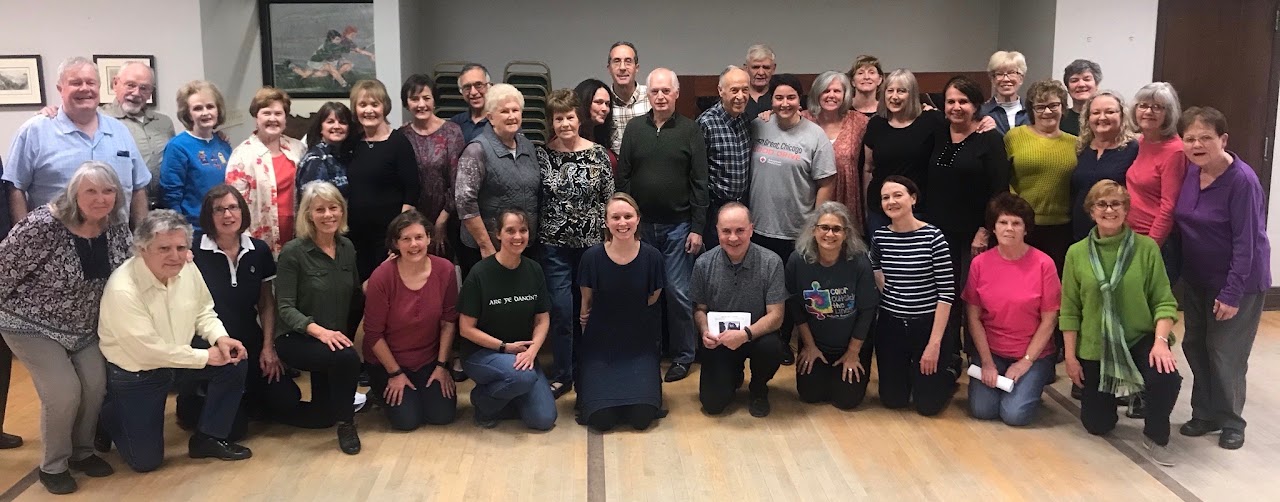
Tuesday night set dance class · Photo courtesy of Marie Hopkins, Irish Consulate · Nov 19, 2019
1 / 11
Come Dance With Us
Join the Francis O'Neill Club
We meet at the Irish American Heritage Center, 4626 N. Knox Ave., on the north side of Chicago. Newcomers and experienced dancers are always welcome — no partner required.